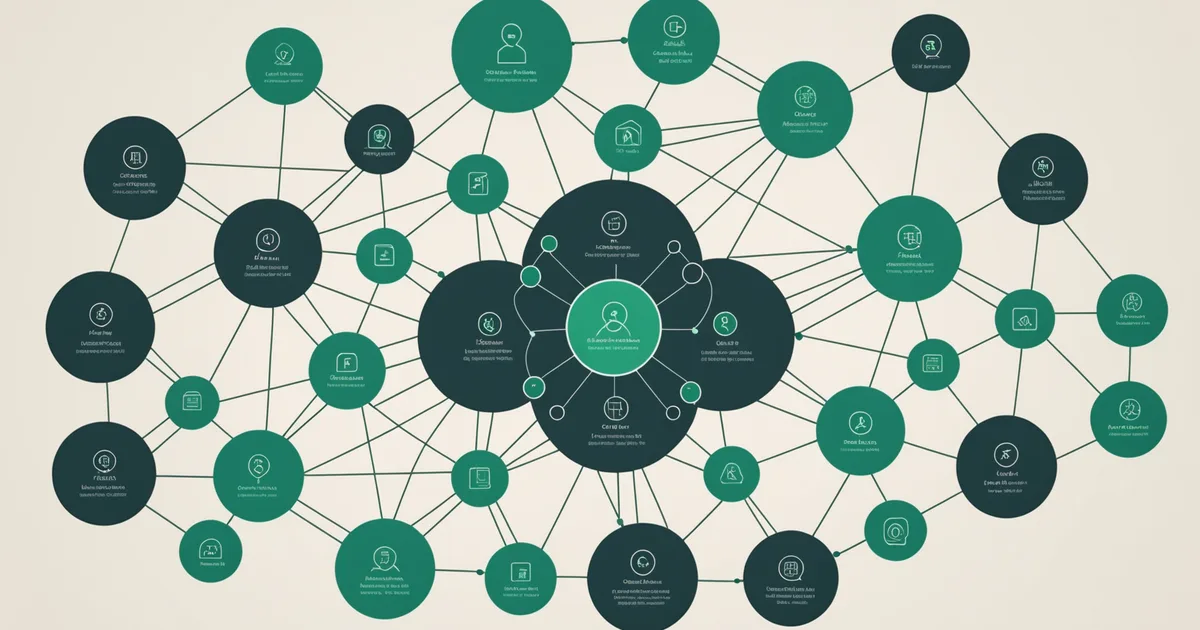
The deal was expected to close in Q2. By week three of discovery, the champion was highly engaged. She explained her team's workflow, helped tailor the demo for her CTO, and told the rep in week five that she was "ready to move forward." Then week eight brought an unexpected legal compliance question. The deal paused for three weeks, reopened with added requirements, and finally closed four months late at a smaller scope.
The issue was not the champion's commitment. The map failed to show who could veto the decision or when that person would enter. Legal involvement was predictable, but the rep could not see it coming because the questions covered only the champion's approval ability, not the complete buying process.
Champion: Role and Limits
A champion is someone within the buyer's organization who wants the purchase to succeed and has enough internal credibility to move it forward. They advocate for the solution, explain the buying process, and often do the most internal selling. Usually, they are not the person with final approval authority.
Treating the champion as the decision-maker is a costly error in complex B2B sales. Reps may build a strong champion relationship, read engagement as progress, and then face objections from the decision-maker, finance, legal, or procurement that the champion did not foresee or could not settle alone.
A strong champion is invaluable. But an incomplete view of the buying group becomes more dangerous as the deal advances, since late surprises cost more to address.
Committee or Champion?
For most B2B deals above a certain contract value, a group makes the decision. It may include the economic buyer with budget authority, technical evaluators judging fit and implementation risk, end users whose adoption affects success, IT or security reviewing infrastructure and data access, and procurement or legal overseeing contract terms.
Some deals involve only part of that group. A $15,000 per year SaaS contract for a 10-person team may involve three people. A $150,000 deal with a large buyer may involve eight or ten. Industry, deal size, and procurement practice shape the mix.
One point holds across deals: more people can block a purchase than can approve it. A champion can approve alone only with the authority and political capital to overrule every other voice. Most champions, even well placed ones, lack both.
Map Before the Proposal
Map the champion's buying group before discovery is over. Do it before investing heavily in a custom proposal or technical evaluation. Learn early who belongs in the decision, what role each person plays, and which concerns or requirements they may raise.
The discovery questions for a champion are simple, but they call for candor:
- Who else evaluates this decision before approval?
- Who gives final contract sign-off?
- Has your organization bought a tool like this? What did approval involve?
- Should we expect procurement or legal review?
- Could any team's concerns stop the decision despite your team's support?
Most champions answer candidly when the request is framed well: "I want to plan around your internal timeline. Who else should we involve, and when?" That is not confrontational. It shows respect for how the buyer actually makes decisions.
Record what you uncover. The stakeholder map should list every buying-group member, their role, probable concerns, and current deal engagement. Keep it current as the opportunity advances and new participants appear.
Put the Map to Work
A map matters only when it changes deal execution. It should guide three choices: who to reach beyond the champion, which material each stakeholder needs, and when to bring those discussions into the timeline.
If IT security must review data handling before signing, send the security FAQ and data processing documents in week three, rather than waiting for questions in week seven. If the CFO requires a business case for a contract above a certain threshold, preparing it for the champion to circulate internally is more useful than a fourth demo for the same group.
The map also exposes the riskiest coverage gaps. If you have not met the economic buyer as the deal nears its final stage, raise it with the champion: "I would value a brief conversation with your VP so we can address any concerns before terms are finalized." Asked thoughtfully, most champions will help open that door.
Mapping's Boundaries
A complete stakeholder map cannot promise a close, nor can it replace the relationship work that strong B2B selling demands. Deals can fail when budget vanishes, priorities change, or another vendor fits better. Mapping cannot prevent those outcomes.
What mapping does prevent is an avoidable late stall: a viable deal derailed by a stakeholder who enters only after gaining the power to stop it. Those losses hurt most because earlier preparation could have prevented them.
This does not mean contacting every possible stakeholder from day one. Overbuilding the process can hurt as much as leaving gaps. Aim for proportionate coverage: identify potential blockers early, then involve them directly when the timing makes sense.
Shared Stakeholder Visibility
In Aligned, the stakeholder map lets seller and champion share a view of the deal room, the materials each participant has viewed, and participation gaps. The seller is notified when someone new enters. If a key approver has never opened the room, the omission is visible instead of hidden.
Pairing a stakeholder map with a shared deal room lets the champion send each internal participant the material that addresses their concerns, without separate email threads for everyone. The seller can see security review the compliance documents, finance open pricing twice, and legal remain inactive. That view shows where to focus during the deal's final weeks.
For sellers and champions, the shared view shows stakeholder mapping in a deal room walkthrough.